Building Retrofits Explained: Where the Biggest Energy Savings Are Actually Found?
In many buildings, energy consumption appears to be an unavoidable operating cost. Utility bills arrive every month, equipment runs continuously, and the overall energy profile of the building seems fixed. Yet when engineers analyze these systems more closely, a different reality often emerges. Most buildings operate far below their optimal efficiency.
The reason is not always obvious. Buildings accumulate inefficiencies gradually. Equipment ages, operational settings drift from their original configuration, and technologies that were once considered efficient become outdated. Over time, these small inefficiencies compound, increasing both energy consumption and operating costs.
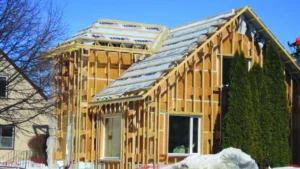
Building retrofits are designed to address precisely this problem. Instead of constructing new facilities, retrofitting focuses on upgrading existing systems so that buildings perform closer to their true efficiency potential. The challenge, however, is determining where retrofit investments will actually deliver meaningful energy savings.
Where Energy Is Really Lost in Buildings
To understand retrofit opportunities, it is first necessary to identify where energy consumption concentrates inside a building. While each facility is unique, most buildings exhibit a similar pattern. A relatively small number of systems account for the majority of energy use.
These systems typically include:
- Heating, ventilation, and air-conditioning infrastructure
- Lighting systems
- Building envelope performance
- Operational controls and automation
When these systems operate inefficiently, they create a cycle in which energy consumption increases while performance improvements remain limited.
The most effective retrofit strategies therefore target the areas where energy use is structurally embedded rather than incidental.
The Dominant Role of HVAC Systems
In most commercial buildings, HVAC systems represent the single largest source of energy consumption. Cooling systems, air handling units, pumps, and ventilation equipment often run continuously to maintain indoor comfort.
If these systems were installed years ago, their efficiency levels may no longer reflect modern engineering standards. Even when equipment remains technically functional, it may consume significantly more energy than newer alternatives.
Retrofit strategies frequently focus on improving HVAC performance because relatively small improvements in system efficiency can produce large reductions in overall energy consumption. Optimization can involve upgrading equipment, redesigning airflow systems, or implementing smarter operational controls.
Because HVAC systems run for extended periods each day, their performance improvements tend to produce the most substantial energy savings.
Lighting: The Fastest Efficiency Upgrade
While HVAC systems dominate total energy use, lighting often represents the most accessible retrofit opportunity. Older lighting technologies consume significantly more electricity and require more frequent maintenance.
Modern LED systems offer far greater efficiency while also supporting intelligent control systems that adapt lighting levels to occupancy and daylight conditions. For building owners seeking rapid efficiency gains, lighting upgrades often provide the quickest measurable results.
A typical lighting retrofit program may involve:
- Replacing traditional lighting fixtures with high-efficiency LED alternatives
- Introducing occupancy sensors that automatically reduce unnecessary lighting use
- Integrating daylight-responsive controls that adjust lighting intensity throughout the day
Although lighting represents a smaller share of total building energy use than HVAC, these improvements can still produce substantial savings while enhancing indoor environments.
The Hidden Influence of the Building Envelope
Not all energy inefficiencies originate from mechanical systems. In many cases, the structure of the building itself plays a significant role.
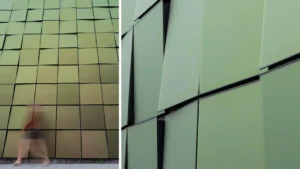
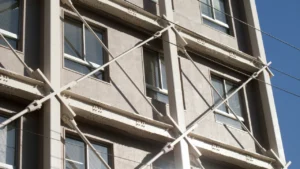
The building envelope—comprising walls, roofs, windows, and insulation—controls how heat moves between the interior and exterior environments. If this barrier performs poorly, heating and cooling systems must compensate by working harder to maintain indoor conditions.
Retrofit improvements targeting the building envelope often focus on improving insulation, upgrading window glazing, or introducing shading systems that reduce solar heat gain. These changes reduce the thermal load placed on HVAC systems and allow them to operate more efficiently.
Although envelope upgrades may require greater initial investment, they can produce lasting reductions in energy demand.
Why Control Systems Are Becoming Central to Retrofits
Increasingly, the largest efficiency gains are not coming from equipment replacement alone but from better system coordination. Many buildings operate multiple systems independently without centralized monitoring or optimization.
Energy management platforms allow facility managers to monitor real-time performance and adjust operational settings across HVAC, lighting, and other energy-consuming systems. When properly implemented, these systems enable buildings to respond dynamically to occupancy patterns, weather conditions, and operational needs.
In other words, retrofit strategies are evolving from simple equipment upgrades to integrated building performance management.
Retrofitting as a Long-Term Asset Strategy
For building owners and facility managers, retrofitting should not be viewed as a one-time technical upgrade. It is better understood as a long-term asset strategy. Efficient buildings operate more reliably, consume fewer resources, and maintain stronger lifecycle performance.
As organizations place greater emphasis on sustainability and operational efficiency, retrofits increasingly become a practical pathway toward improving building performance without the cost and disruption of new construction.
At ECMC, we work with organizations to evaluate building energy performance, identify high-impact retrofit opportunities, and implement improvements that enhance both operational efficiency and long-term asset value. The goal is not simply to reduce energy consumption but to ensure that buildings operate closer to their full performance potential.